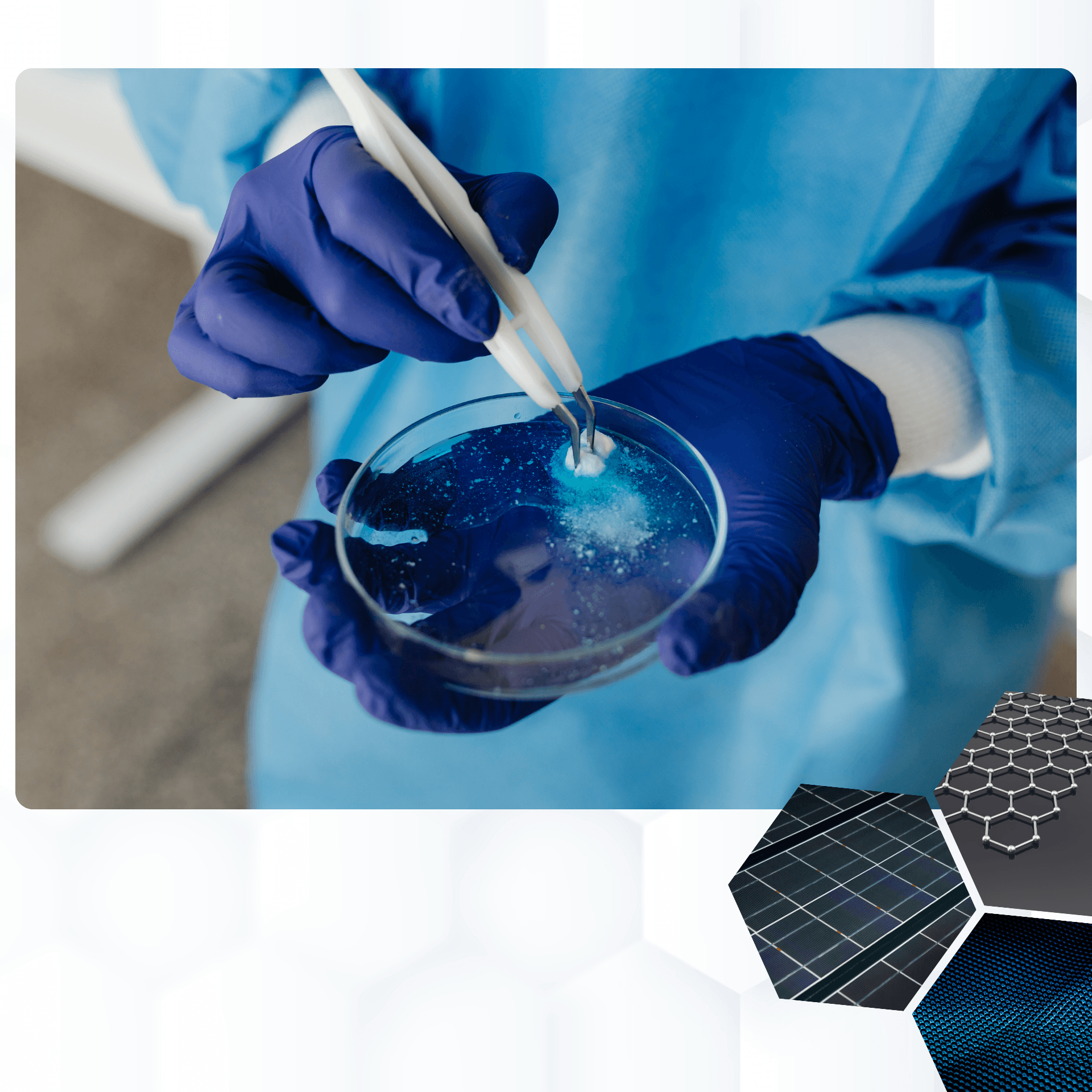

Spin Coaters In Nanoscience And Nanotechnology
When you are working with Nanomaterials, you will use spin coaters to get continuous thin films on the nanoscale. And today you can get state of art Spin Coating Machines designed for Nano Science Labs at around Rs. 125,000 per unit. So if you are looking for a Spin Coater for nanoscience and nanotechnology research, you can get quotes for some smart and portable Spin Coating Machines in India by contacting here.
Spin Coater For Nanomaterials
Mahesh is working in the leading edge of nanoscience and nanotechnology labs. For his research project, nanomaterials of metal oxides need to be deposited on Fluorine-doped tin oxide (FTO) coated glass. To get a continuous thin film deposited on FTO, he is using a spin coating machine. His challenge is, how to do spin coating treatment to get the best results.
Research scholars, whom he consulted have advised a good spin coating machine. And to start with a slow RPM to get a continuity and then gradually increase the RPM of the spin coater to get the desired thickness. Another scientist working on nanotechnology research projects advised Mahesh to try plasma treatment to increase wetness factor of the substrates.
This example illustrates the importance of spin coating machines in the field of nanoscience and nanotechnology.
Fabrication of ZnO Thin Films
ZnO thin films are known for their high transmittance properties and good electrical conductivity. And this are used in electronic devices, gas sensing, transducers, solar films and many other devices. To fabricate these ZnO thin films, submicron ZnO particles are uniformly layered on a variety of substrates using spin coating machines.
Spin coating of ultra-thin layers
Ultra thin layers have huge potential to design cutting edge battery systems and other fields of microelectronics. Here too, spin coating machines are increasingly being used by nanotechnology labs.
Nanoscience and Nanotechnology In Biology
ZnO thin films are being used in the fields of biomedical imaging and bioengineering. Like in biomechanical energy harvesting devices, such as triboelectric nanogenerators (TENGs), to realize human‐powered electronics. Source: Wiley Online Library
I have been writing on the field of nanoscience and nanotechnology, and am witnessing a surge in novel spin coating developments. One such recent breakthrough is spray-assisted spin coating, did you read about it? Here, the equipment utilizes an atomizer to generate a fine mist of the coating material. So this spin coating technique offers unprecedented control over film thickness and uniformity, particularly crucial for manipulating delicate nanostructures.
Furthermore, with advancements in in-situ monitoring techniques, these are enabling researchers like yourself, to gain real-time insights into film formation dynamics using spectroscopic methods. So this newfound knowledge is empowering leasing scientists like yourself and your team, to optimize spin coating parameters, paving the way for the creation of nanomaterials and devices with precisely tailored properties at the nanoscale. I believe these advancements signify a significant leap forward in the capabilities of spin coating and hold immense promise for the future of nanomaterial and device development. What’s your opinion?
→ Doubt? Question?
Don’t guess. Send details. Get a fact-checked verdict from an Application Specialist. No sales pitch, no fluff.
🗨 Start a Chat→ Application Fit-Check
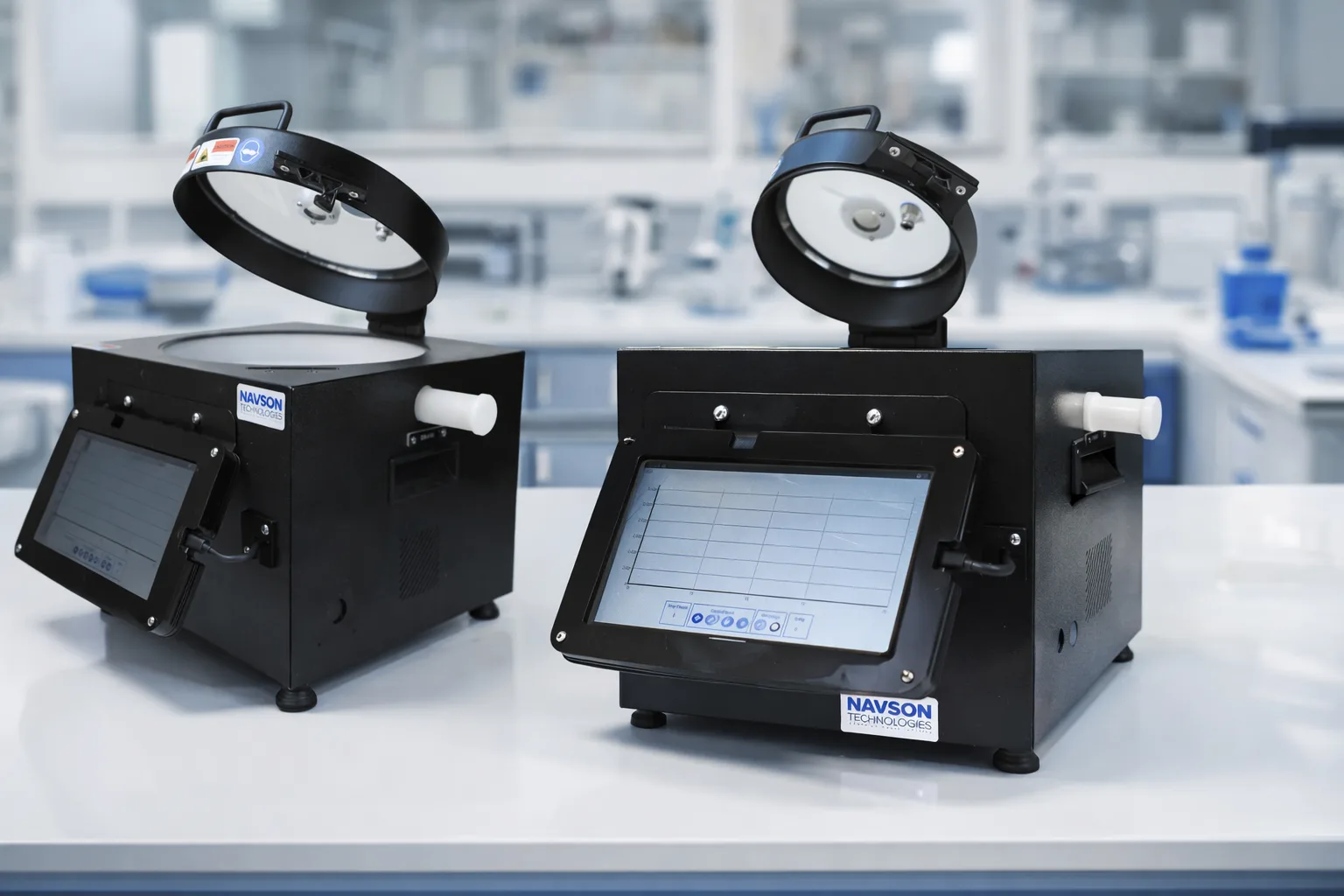
Get a free NT12000 Process-Fit & Configuration Review by Application Engineers at Navson Technologies
🏷️ Sponsored
Important Disclaimer
Scientific EQ. @PULSE offers general information and best practices related to scientific research. It is not intended as a substitute for professional training, specific equipment operation manuals, or a comprehensive understanding of the materials involved. Users bear sole responsibility for ensuring safe operation, appropriate material selection, and adherence to all relevant safety and environmental regulations.
Should you identify any discrepancies or have questions regarding the content of this guide, please contact us promptly at scientificeq@aidasinc.com. We are committed to rectifying any inaccuracies and will gladly acknowledge contributing sources.