
Three New Applications Of Nano-materials That Will Help Everyday Life
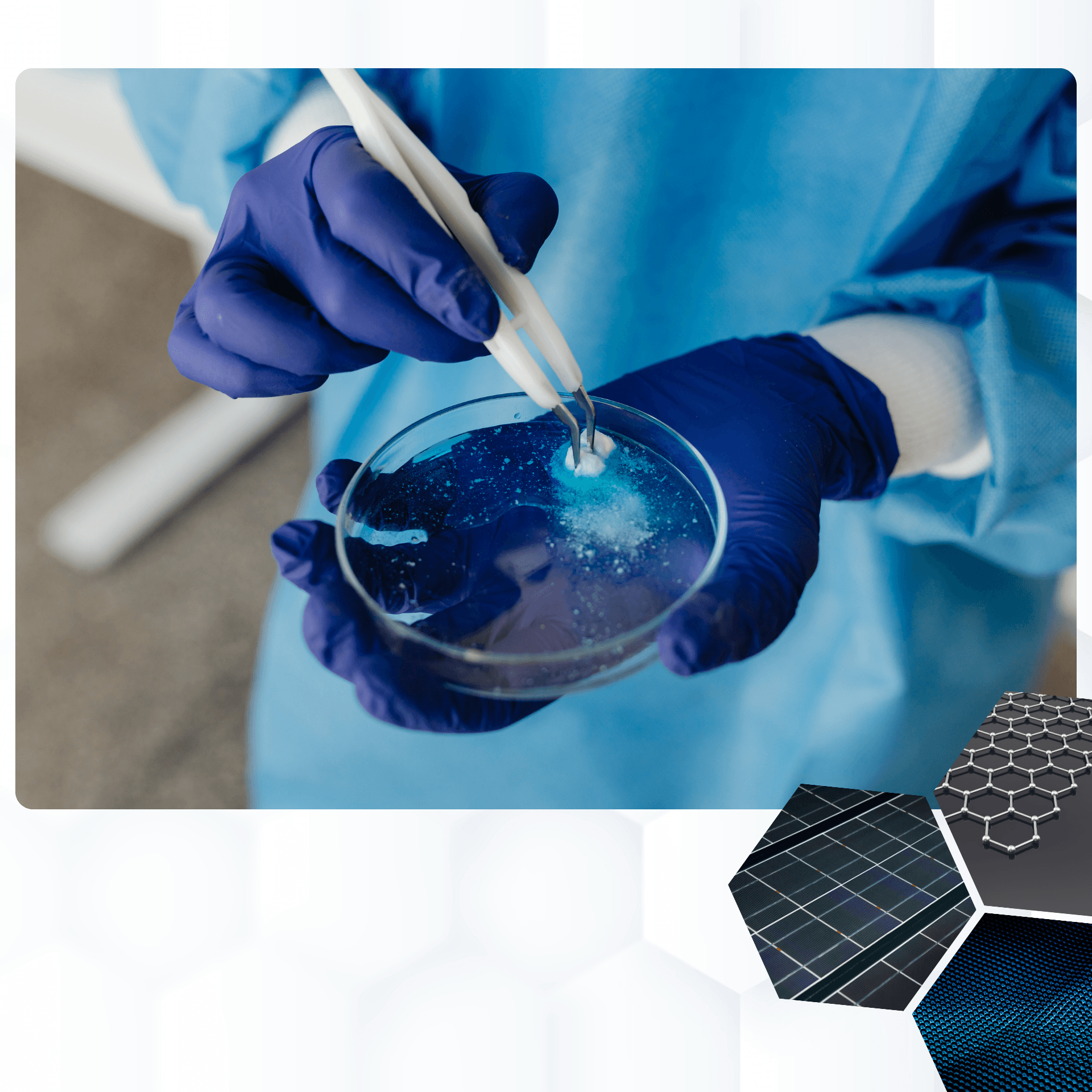
This post is on some new applications of nanomaterials in today’s pandemic affected world. And as we all know, nanomaterials have unique properties and one of them is – they have a structure that is at a nanoscale. Due to this, they have electronic, optical and mechanical properties that can be exploited to deliver unimaginable results (thin films) in many aspects of life – starting from nanotechnology labs across the globe.
Traditional Applications Of Nanomaterials
Nanomaterials are being used in scientific research labs since a few decades. Most commonly, they are being used in the healthcare industry for the production of medicines, and in the industrial manufacturing of paints, lubricants in the petroleum industry and a host of other manufacturing processes.
Here are seven most commonly found applications of nanomaterials.
- Nanoenzymes in bionanotechnology
- Nanopaints for automotive applications
- UV protection using nanoparticles
- Water treatment and filtration processes
- Nanostructures for air purification filters
- Carbon nanotubes for industrial insultation
- Anisotropic nanoparticles as lubricant additives
Three New Applications Of Nano Materials
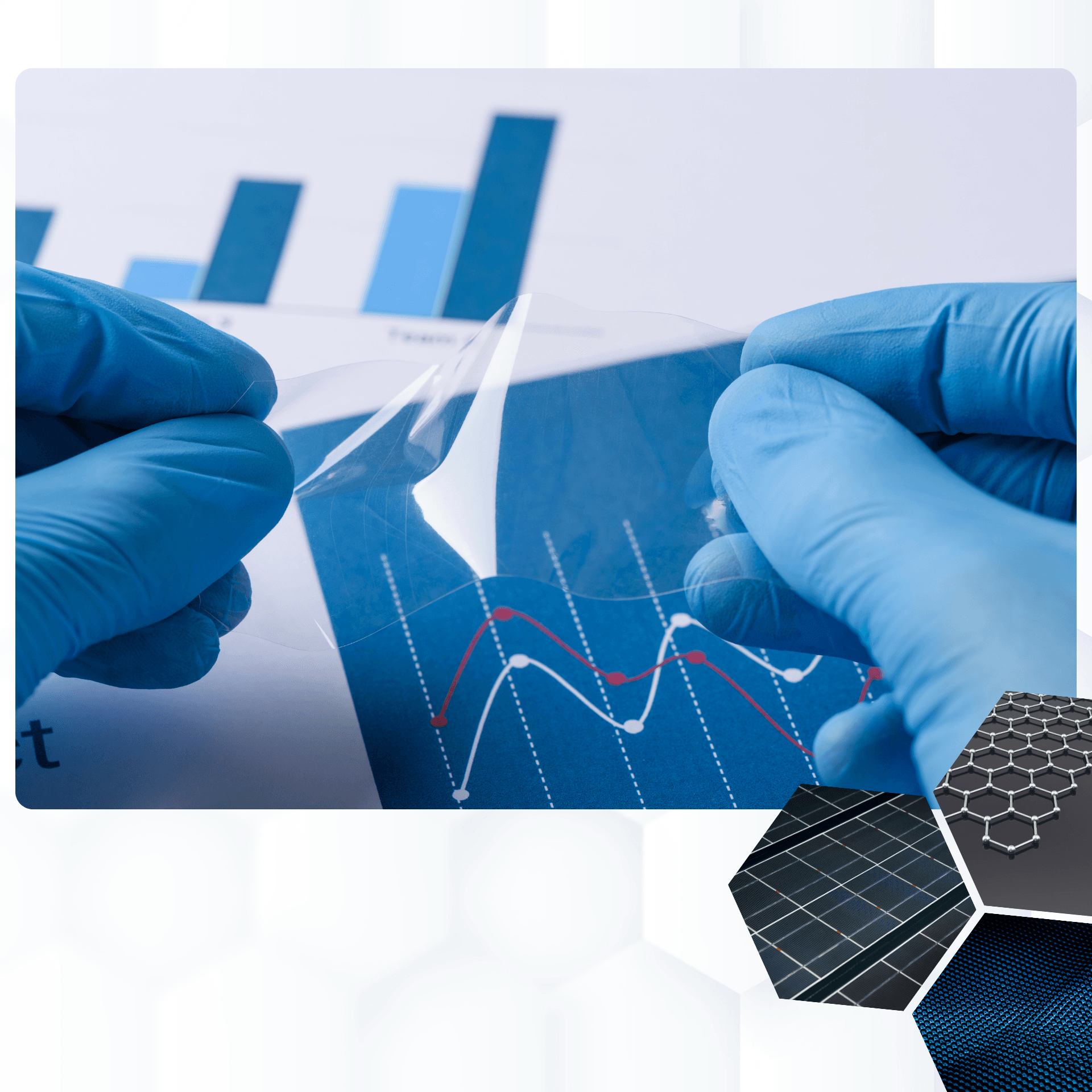
- Deposition of nanomaterials on cloth and paper to make highly sensitive sensors for healthcare applications. Iowa State University’s Sonal Padalkar found out this could be used as an effective, organic disinfecting wipe. (Source)
- Anti-corrosive properties of MXenes by non-aqueous etching is being explored for manufacturing battery electrodes and next-generation solar cells. Dr. Vibha Kalra, PhD from Drexel University is working on these atom-thin materials to find out other new applications. (Source)
- Camouflaging technologies for military use and anti-counterfeiting applications in food, healthcare, banking and RFID tags. Here researchers are using nanomaterials like graphene are finding new applications and increasing private funding. (Source)
As you are witnessing in our fast paced world, nano-materials, with their unique properties and diverse applications, are becoming an integral part of everyday life. How enchantingly these microscopic materials are being used in a variety of fields, from electronics to healthcare to agriculture. Speaking exclusively of electronics, today’s nano-materials are being used to make devices smaller, faster, and more energy-efficient. When it comes to our healthcare, they are being used in drug delivery systems to target specific cells, reducing side effects and improving treatment efficacy. The buck doesn’t stope there, for nano-materials are also being used in the production of sunscreens and cosmetics, where they provide protection and enhance performance. Furthermore, they are being used in the development of new materials with improved strength, durability, and functionality. Thus, I can say with confidence of a lay person who looks at nano-materials from the external world, that they are silently revolutionizing our lives, making us more comfortable, safe, and sustainable.
→ Doubt? Question?
Don’t guess. Send details. Get a fact-checked verdict from an Application Specialist. No sales pitch, no fluff.
🗨 Start a Chat→ Application Fit-Check
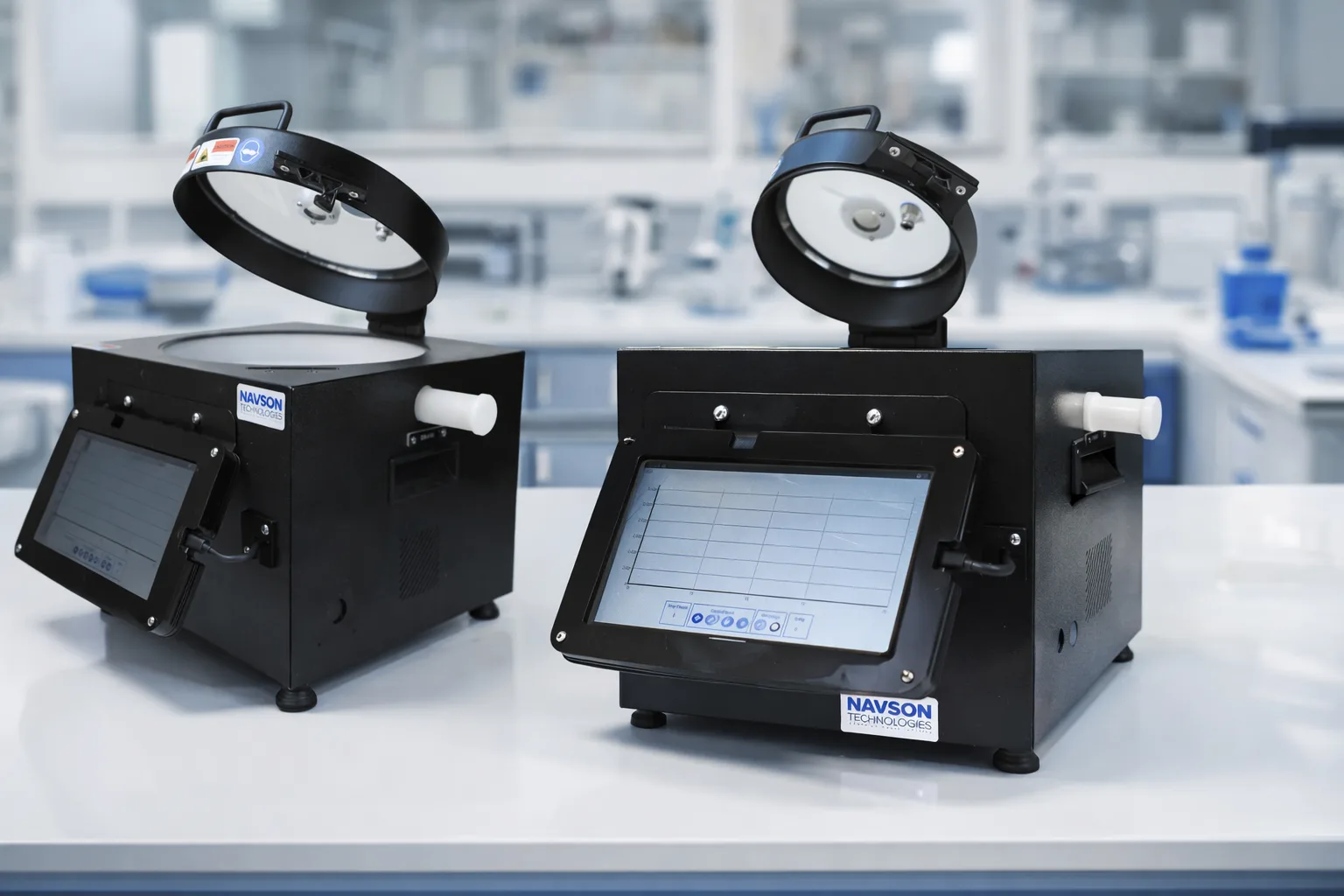
Get a free NT12000 Process-Fit & Configuration Review by Application Engineers at Navson Technologies
🏷️ Sponsored
Important Disclaimer
Scientific EQ. @PULSE offers general information and best practices related to scientific research. It is not intended as a substitute for professional training, specific equipment operation manuals, or a comprehensive understanding of the materials involved. Users bear sole responsibility for ensuring safe operation, appropriate material selection, and adherence to all relevant safety and environmental regulations.
Should you identify any discrepancies or have questions regarding the content of this guide, please contact us promptly at scientificeq@aidasinc.com. We are committed to rectifying any inaccuracies and will gladly acknowledge contributing sources.