
Nanotechnology In Solar Cells
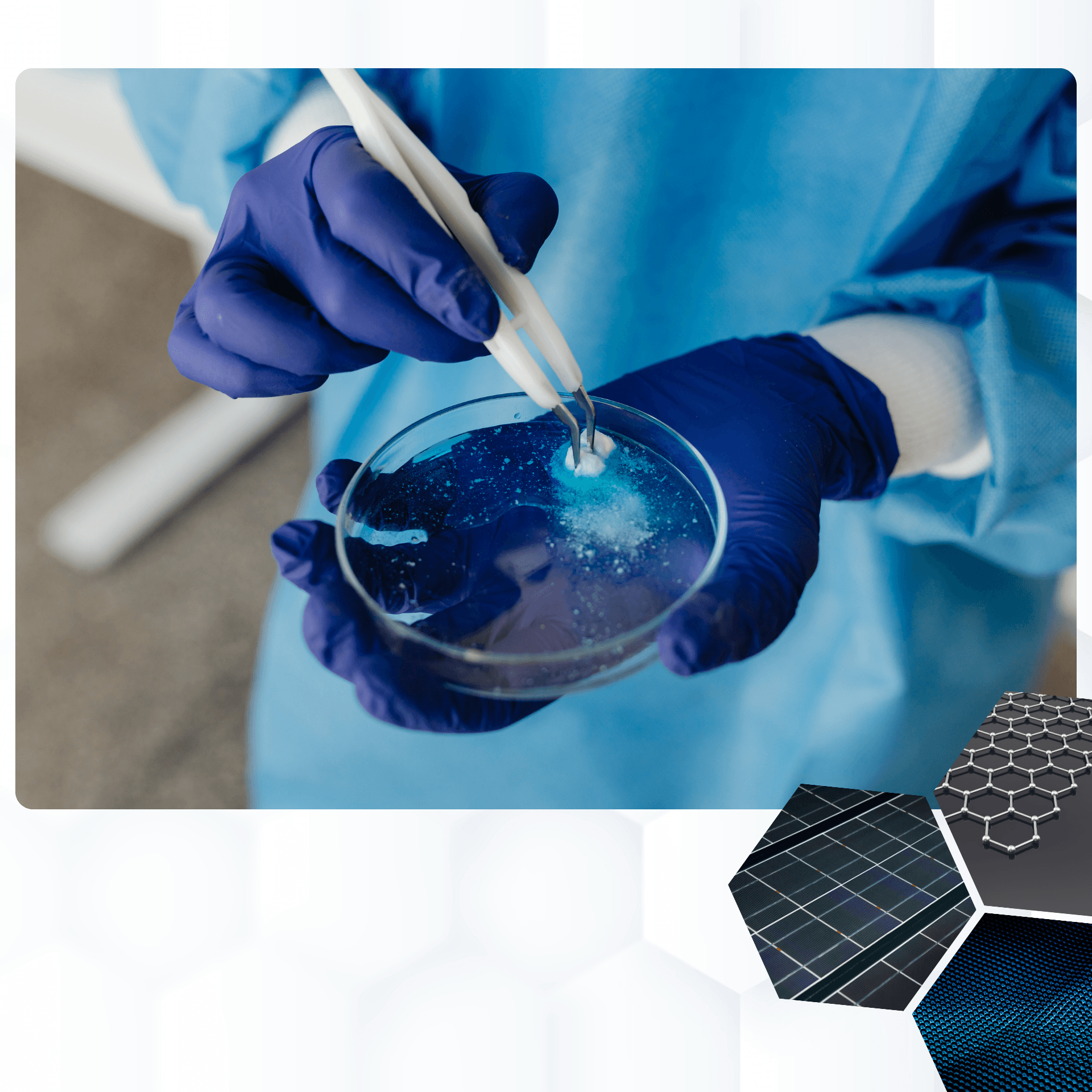
Researchers across the globe are working the night oil to the last drop to make solar cells to improve their efficiency. And why not. There is an immediate demand for natural, renewable resources, to fuel the obnoxiously growing human consumption. While on the other hand, climate change has already entered in the final act of it’s show, causing disruption and damage across the globe. Here, new scientific equipment are finding their place in the heady run for nanotechnology based solutions to improve the energy situation. Like the manufacturing of solar cells having place to spray pyrolysis uses along with many more high tech equipment.
Spray Pyrolysis Uses For Solar Cell Fabrication
Rapidly falling fossil fuel reserves, rapid deforestation, raging climate change woes is driving the world today to renewable sources of energy. And solar energy, that is abundantly available for free, has emerged as one of the main alternative sources. So solar cells are being worked on to help improve performance of solar panels.
Nanotechnology is offering significant opportunity to improve the performance of solar cells from a combination of new materials. Like the use of iron pyrite in fabrication of photovoltaic (PV) cells. This material is easy to procure, is not toxic by nature and very economical to use. Over that, it offers a very high performance ratio under suitable conditions, when compared to other materials.
Here, spray pyrolysis process is being used at some research centers instead of traditional methods like solvothermal, hydrothermal, hot injection, electrodeposition, sputtering, physical vapor and chemical vapor deposition, liquid phase exfoliation, sequential evaporation, magnetic field-laser ablation, biosynthesis, pulsed electron deposition, ball milling, and aerosol-assisted CVD.
Working on nanotechnology for solar cell fabrication? Do let us know the methods that you have you been using and which of them have you found very useful.
Nanotechnology Advancements In Solar Cells
Nanotechnology has found a huge opportunity in improving the absorption and conversion of natural sunlight to consumable forms of energy. So different materials, like gold and silver nanoparticles, have been devised to enhance performance of solar cells, given the unique optical properties. But they are expensive. Moreover, the light that traditional materials allow to reflect form their surface, is a potential loss of opportunity. And this is where scientists are researching on newer ways to boost solar power by cutting the amount of sunlight that goes to waste from solar panels, due to reflection. So new materials like pyrite, are being use to design solar cells at the lab scale and to explore their usability in large scale manufacturing and deployment of solar cells.
We hope the highly trained scientific community gets to identify the best materials for large scale, and highly economical manufacturing of solar cells. So it can help meet our growing energy needs in a sustainable and eco-friendly manner.
→ Doubt? Question?
Don’t guess. Send details. Get a fact-checked verdict from an Application Specialist. No sales pitch, no fluff.
🗨 Start a Chat→ Application Fit-Check
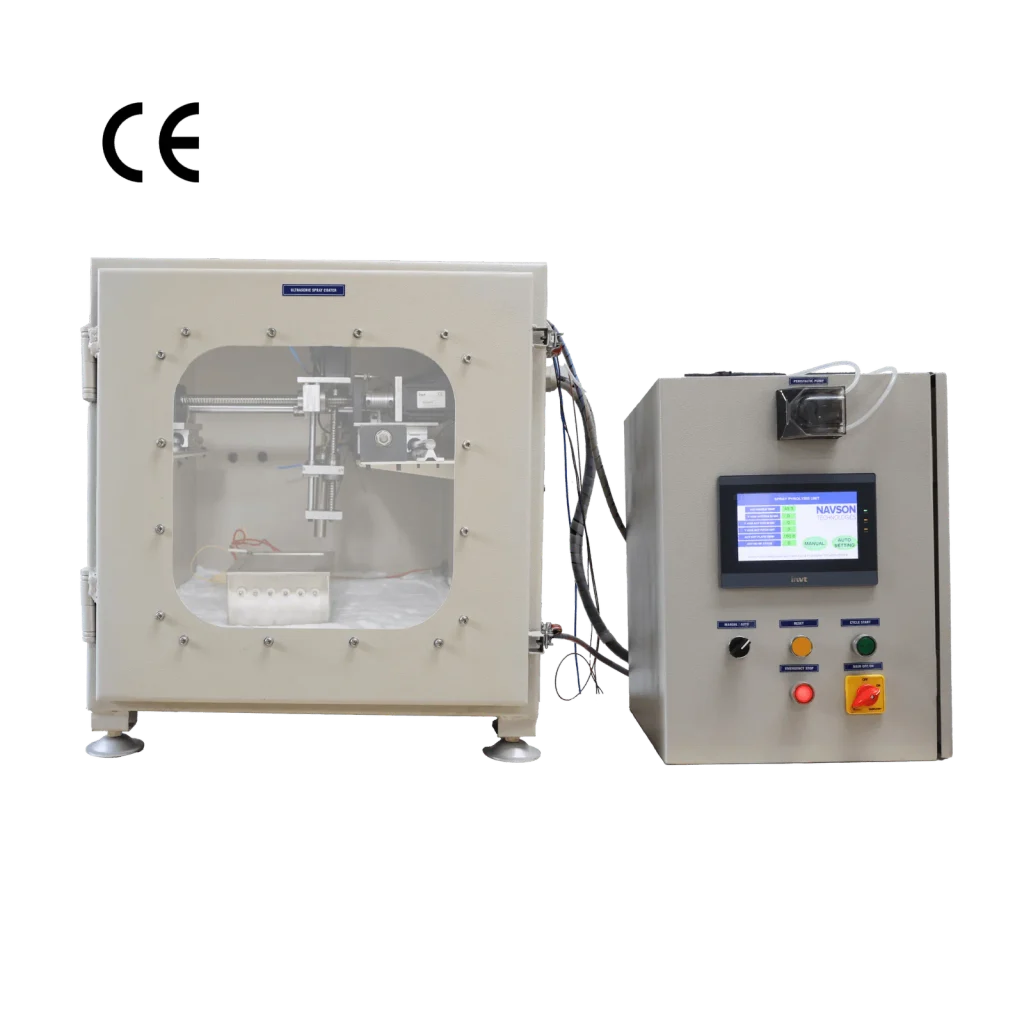
Get a free NTPY01 Research Spray Pyrolysis System, Process-Fit & Configuration Review by Application Engineers at Navson Technologies
🏷️ Sponsored
Important Disclaimer
Scientific EQ. @PULSE offers general information and best practices related to scientific research. It is not intended as a substitute for professional training, specific equipment operation manuals, or a comprehensive understanding of the materials involved. Users bear sole responsibility for ensuring safe operation, appropriate material selection, and adherence to all relevant safety and environmental regulations.
Should you identify any discrepancies or have questions regarding the content of this guide, please contact us promptly at scientificeq@aidasinc.com. We are committed to rectifying any inaccuracies and will gladly acknowledge contributing sources.