
Applications Of Thin Films In Biomedical Field
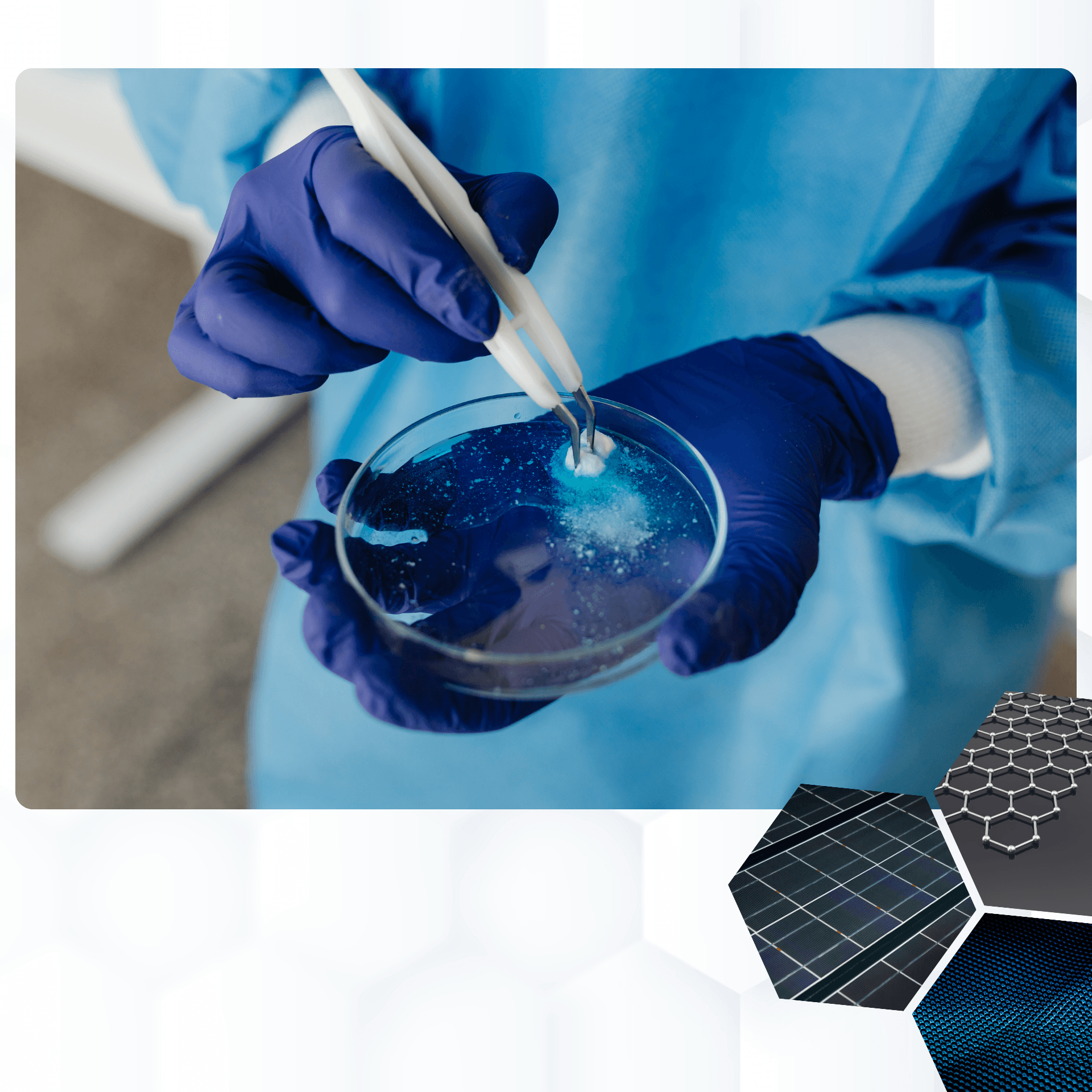
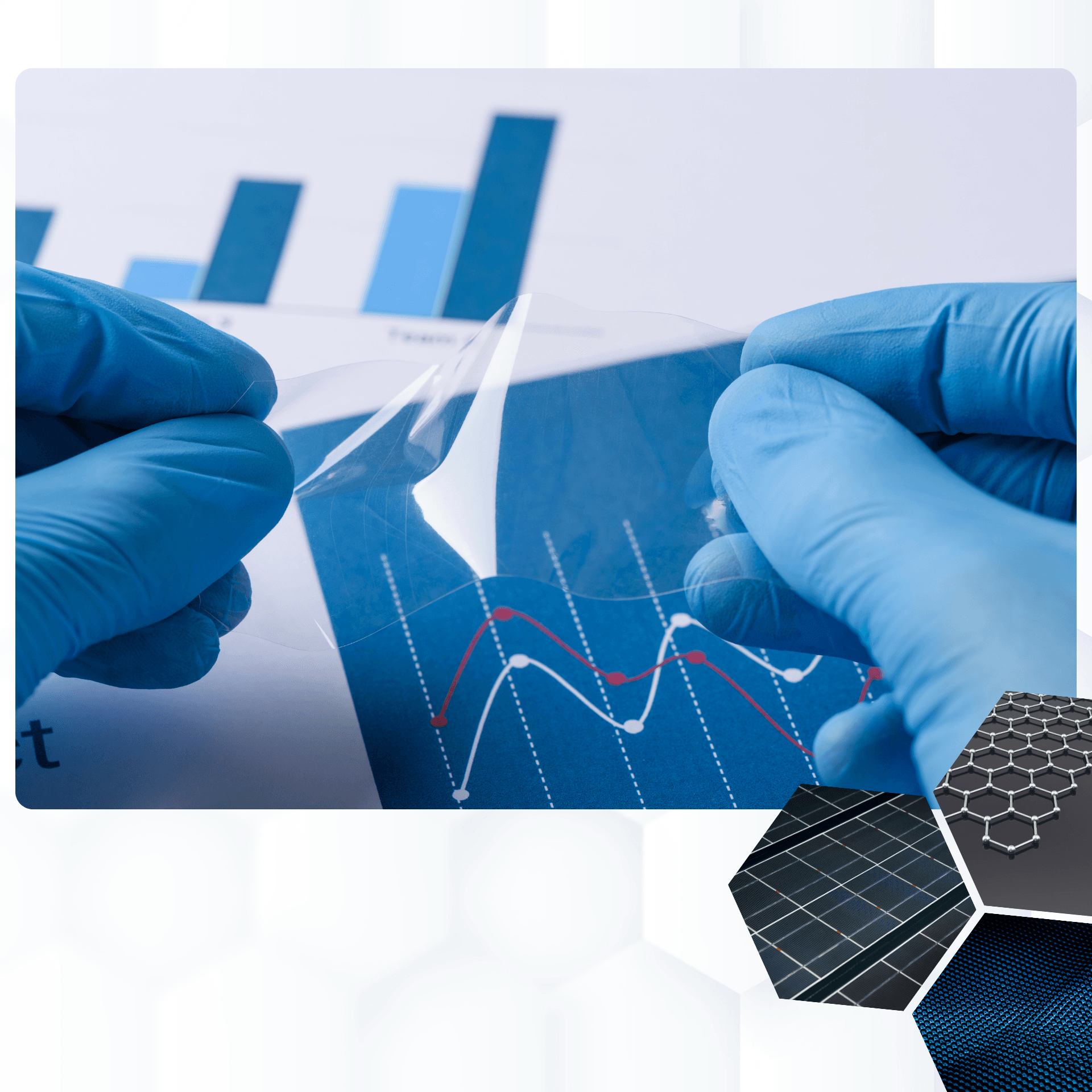
In the area of biomedical science, various types of biomaterials are used for a number of applications. One of the most important components used in biomaterials are thin films. As these films are materials with one dimension in the nanometer range. They can be used for a number of biomedical applications, such as drug delivery, tissue engineering, and biosensors.
Today thin film coatings are an important part of many biomedical devices and applications. They can provide a barrier to protect the underlying device from the environment, allow for controlled release of drugs or other agents, or provide a means of electrical stimulation. A variety of coating methods are available, each with its own advantages and disadvantages.
Spin Coating Of Thin Films For Biomedical Applications
The most common method to fabricate thin films, is spin coating. Spin coating is a method in which a solution is sprayed onto a rotating substrate. The centrifugal force causes the solution to spread out evenly over the substrate, resulting in a thin and uniform film. It is a simple, versatile, and scalable method that can be used to coat a variety of substrates with a range of materials, including metals, semiconductors, and nano materials.
Thin films uses in biomedical applications.
One of the more well-known biomedical applications for thin films involves using stainless steel rods to replace segments of bones that have been crushed during accidents. These rods can slip out from from within the bone-end during heavy exertion. So researched used inert gas PVD, wherein bone material was dissociated and re-deposited on stainless steel rods in the vacuum chamber. These bone-coated rods accepted osteological knitting better than any previous attempts, resulting in much better long-term performance.
Another application is in diagnostic applications, where “Lab-on-a-Chip” type devices with superhydrophobic surfaces can be used to favor selective deposition of molecules or cells, or the movement of fluid from one area to another. Here, the wettability of a material’s surface plays a significant role in how fluids interact with such surfaces.
Would you like to share more applications? Do send you story here:
→ Doubt? Question?
Don’t guess. Send details. Get a fact-checked verdict from an Application Specialist. No sales pitch, no fluff.
🗨 Start a Chat→ Application Fit-Check
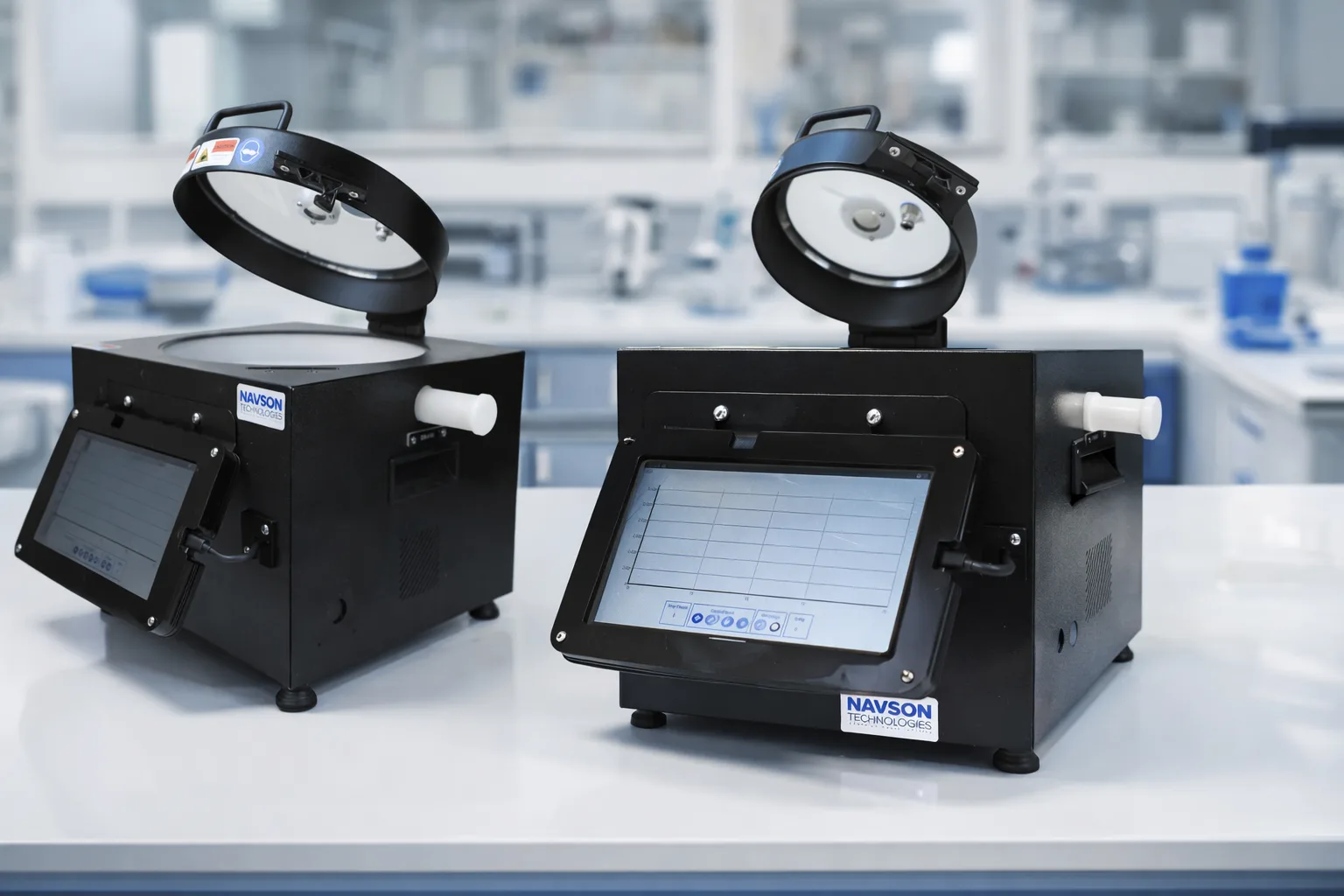
Get a free NT12000 Process-Fit & Configuration Review by Application Engineers at Navson Technologies
🏷️ Sponsored
Important Disclaimer
Scientific EQ. @PULSE offers general information and best practices related to scientific research. It is not intended as a substitute for professional training, specific equipment operation manuals, or a comprehensive understanding of the materials involved. Users bear sole responsibility for ensuring safe operation, appropriate material selection, and adherence to all relevant safety and environmental regulations.
Should you identify any discrepancies or have questions regarding the content of this guide, please contact us promptly at scientificeq@aidasinc.com. We are committed to rectifying any inaccuracies and will gladly acknowledge contributing sources.