

How One Smart Bengaluru Homeowner Solved
the 30×50 Space Crunch Without Risky Building Deviations
By Neha Kapoor – Design Writer & Wellness Space Advocate (Guest Contributor)
What story should your space tell?
Building a 30×50 house in Bengaluru used to be about squeezing every inch of the 1,500 sq ft plot, but in 2026, the game has changed. With the introduction of the Nambike Nakshe trust-based approval system and stricter BBMP setback norms, the “smart” way to build isn’t about being bigger—it’s about being more precise and you getting the best price.
One homeowner in Sahakarnagar recently proved that you can have a luxury lifestyle and high rental yield while staying 100% compliant with the 1,137 sq ft buildable footprint limit, here is how they did it.
The Shocking Math: Your 1,500 Sq Ft Plot is Actually 1,137 Sq Ft
Most owners start with a major misconception: “I own 1,500 sq ft, so I will build 1,500 sq ft”, but the 2026 Reality states that under the latest Urban Development Department (UDD) notification, plots between 60–150 sqm (which includes the 30×50 site) have fixed setbacks that are non-negotiable.
- Front Setback: 0.9 m
- Rear Setback: 0.7 m
- Side Setbacks: 0.7 m on both sides
Once you subtract these “breathing zones,” your actual buildable area drops to roughly 105.6 sqm (~1,137 sq ft). Building beyond this is no longer just a “minor deviation,” it’s a digital red flag in the BBMP system that can lead to water and power connection denials by BWSSB and BESCOM.
Tactical Strategy: The 3-Step “Space-Max” Framework

For a 30×50 house plan, the maximum building height is capped at 12 meters, that is excluding the stilt floor.• The Counterintuitive Hack: Don’t aim for maximum ceiling height on every floor, by keeping the stilt parking height at 2.4 m and upper floors at 3.0 m, you can comfortably fit a Stilt + G+3 configuration without the parapet wall pushing you over the legal limit.• Exemption Alert: The stilt floor is strictly for parking and utilities, that is using it for a “small office” or “studio room” is a high-risk move in 2026 that can disqualify you from receiving an Occupancy Certificate (OC).

Investors often try to cram 5 or 6 “1BHK” units into a 30×50 plot, and this is the fastest way to get your plan rejected.• The Rule: Plots of this size are restricted to 4 dwelling units (4 kitchens).• The Smart Move: Build two spacious 2BHKs or one 3BHK duplex and two 1BHKs, as this targets the “premium tenant” market—tech professionals in areas like Manyata Tech Park or Sarjapur—who pay more for quality than for cramped spaces.

“Bengaluru Seepage” is a nightmare for rental owners, so here’s the Tactical Fix — Align all bathrooms and kitchen utilities vertically. This “Wet-Core” strategy reduces plumbing costs by 15% and minimizes the risk of leakages into neighboring walls—a common cause of local disputes in dense areas like Indiranagar or Jayanagar.
Hyperlocal Context: Why “A-Khata” Precision Matters in 2026
With the 2026 Revised Master Plan, the BBMP has moved to a “Post-Construction Inspection” model, where you get an instant provisional plan, but if you deviate more than 5% during construction, the penalties are calculated at ₹2,000 per square meter for residential buildings.
Industry Insight: According toThe Hindu, these new rules aim to prevent urban flooding by ensuring setbacks remain unpaved to allow for groundwater recharge.
30×50 House Construction FAQs (Bengaluru 2026)
Your Next Step for a Sanction-Ready Plan
Don’t let a “Pinterest-perfect” layout lead to a BBMP demolition notice, so the most valuable 30×50 house in 2026 is the one that is 100% legal.
Is Your Current Plan “Sanction-Ready”?
If your architect is showing you a 1,300 sq ft ground floor on a 30×50 plot, you are likely heading toward a deviation trap. Check out this article: The 30×50 Bengaluru Blueprint (2026)
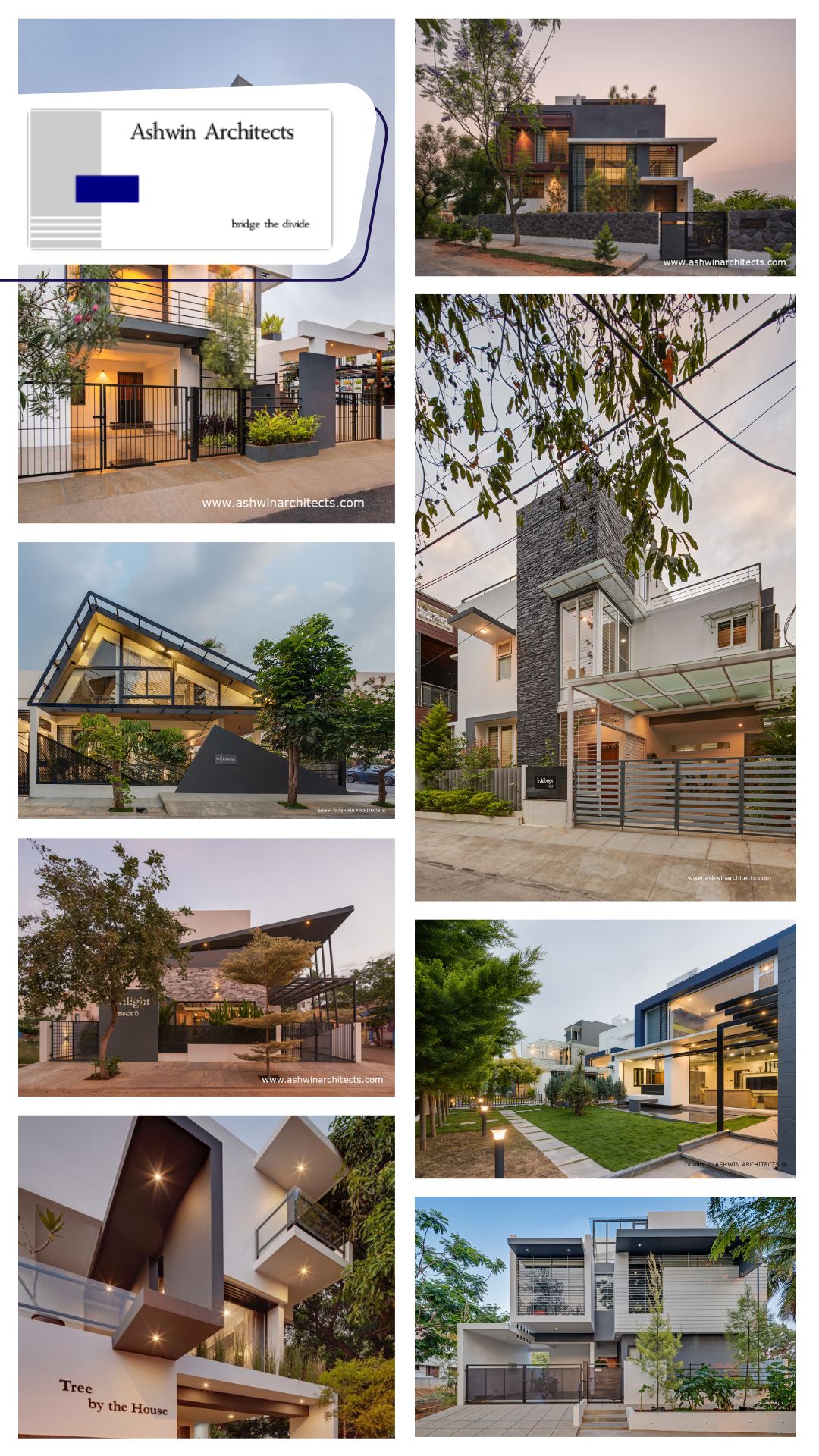
About Ashwin Architects
The firm was started in mid – 2003 with the express intention of Bridging The Divide that exists between people’s perception of their personal spaces and the stark reality of the buildings coming up in our urban jungle.
– Ashwin Anantha, Principal Architect
Related Posts
Architects Near Me: Why Most House Plans Fail During Construction
Before You Google “Architects Coimbatore”: What Most Homeowners Learn Too Late

Home Design Bangalore: 7 Expert Secrets to Your Dream Space (2025)
Finding the Best Architects in Bangalore for a House: The Essential 2025 Selection Guide
Best Architecture Websites In India | The Bangalore Soul Sanctuary:

Feeling Lost in Home Design in Bangalore? Unmask 3 Budget-Blowing Mistakes (We’ll Show You How!)
Disclaimer: Content on this site is provided for general informational and educational purposes only and is not a substitute for professional advice. So, before making any big decisions, always consult with the experts in the specific field. We’re here to spark curiosity and inspire, but your best bet is to get personalized guidance for your unique situation. Stay awesome and informed!