
Oleophobic Thin Film Coating Applications
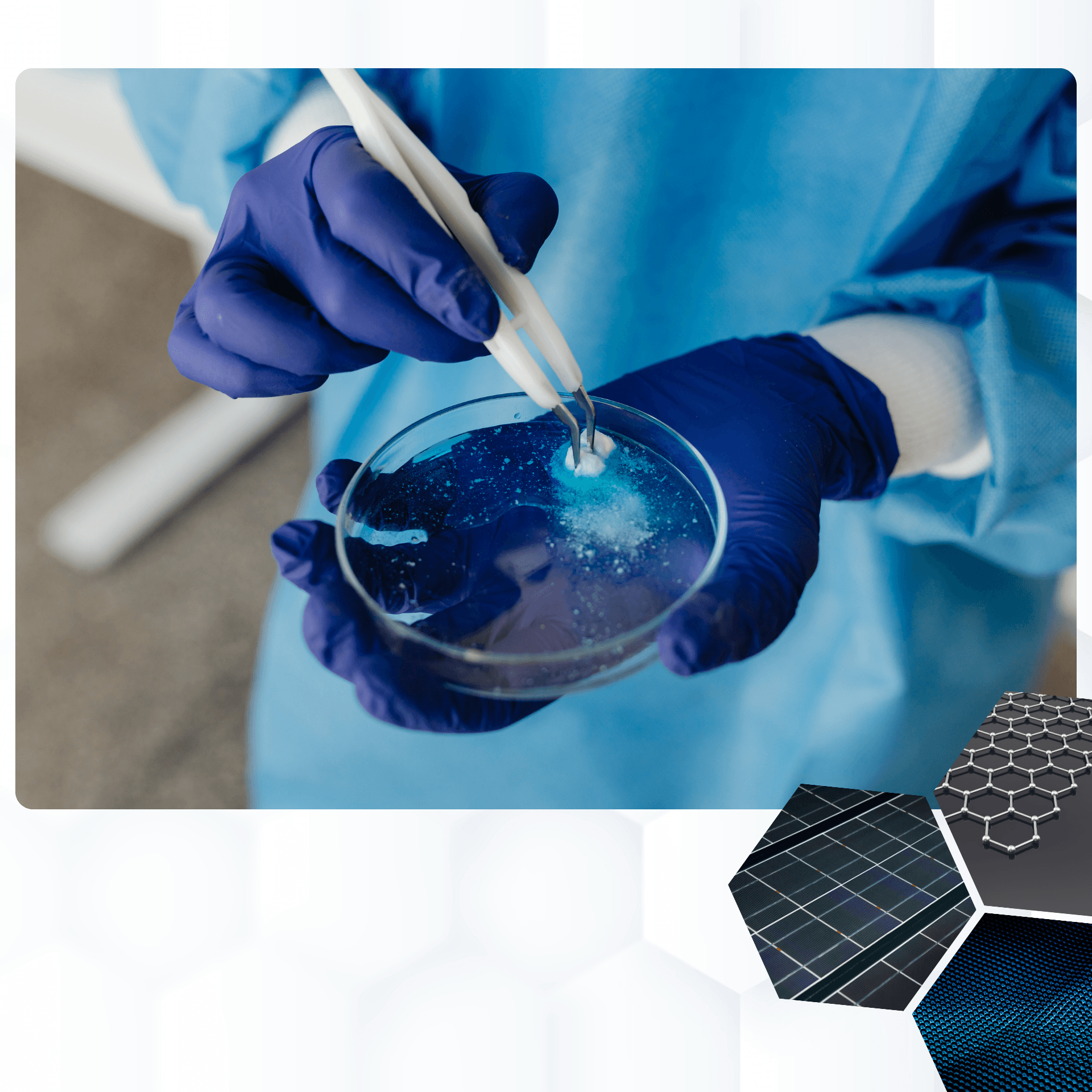
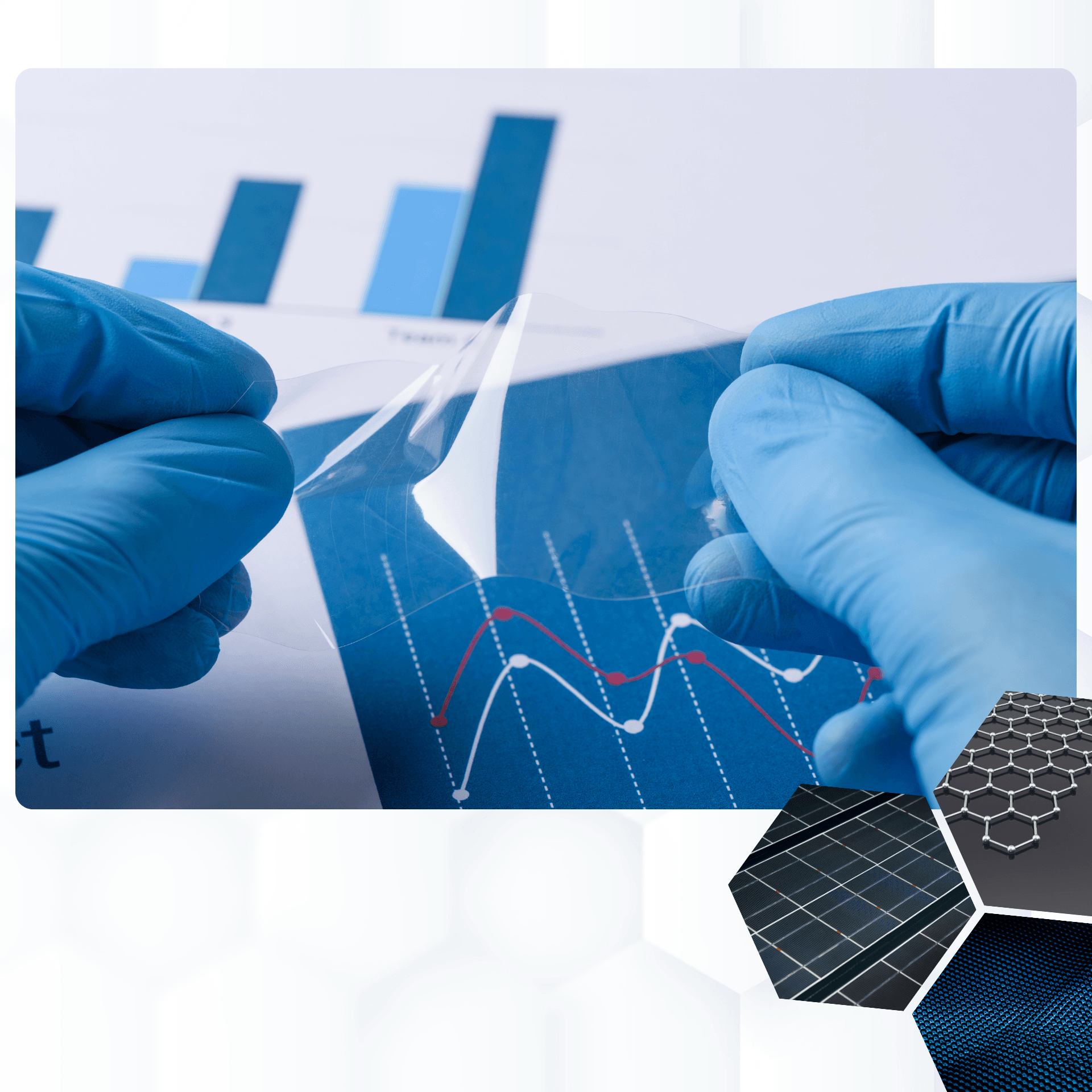
A surface that is oleophobic and hydrophilic deflects oil. Since such a surface excels at defogging, cleaning without detergent, and separating oil and water, this novel surface characteristic has drawn increasing attention. Like on smartphones and display displays, oleophobic coatings shield flexible thin films from fingerprints, dust, and other stains. Nowadays, these are available pre-installed at the factory, integrated into or embedded within flexible thin films, or separately marketed. Spin coating technique is one of the many ways used for fabrication of oleophobic thin film coatings.
These coatings are often created using one of two methods: bottom-up (coating techniques) or top-down (material removal techniques). Top-down approaches create regular patterns, whereas bottom-up approaches produce random patterns. Spin coating is a bottom-up method that produces amazing consistency on both macroscopic and nanoscales thanks to its rapid drying times. This procedure creates uniform, thin films.
Imitating Nature’s Liquid-Repellent Surfaces.
Natural liquid-repellent surfaces can be found on a variety of flowers, vegetables, leaves, and animal skins. More examples are lotus leaves, rose petals, watermelon skin, butterfly wings, fish and shark skins, beetle backs, bird feathers, gecko feet, and so on. Their hierarchical nanostructure influences their wetting abilities and has been imitated in a number of artificially produced oleophobic and hydrophobic surfaces. And today’s super-liquid-repellent surfaces are trying to bring out this need for thin film coating with low surface energy and high surface roughness.
Oleophobic Coating Properties and Applications
Because of their self-cleaning, transparency, oil-water separation, anti-corrosion, and anti-microbial properties, as well as their low cost and ease of processing, these surfaces have a wide range of applications. The most common applications for oleophobic coatings are in medical supplies and the consumer electronics industry. They are employed in the coating of medical tubing, endoscope lenses, surgical visors, and shields. Oleophobic coatings have recently been widely used to create smudge-resistant touch screens for smartphones and tablets.
Do send you story here: Submit.
Sources: Azom, ScienceDirect.
→ Doubt? Question?
Don’t guess. Send details. Get a fact-checked verdict from an Application Specialist. No sales pitch, no fluff.
🗨 Start a Chat→ Application Fit-Check
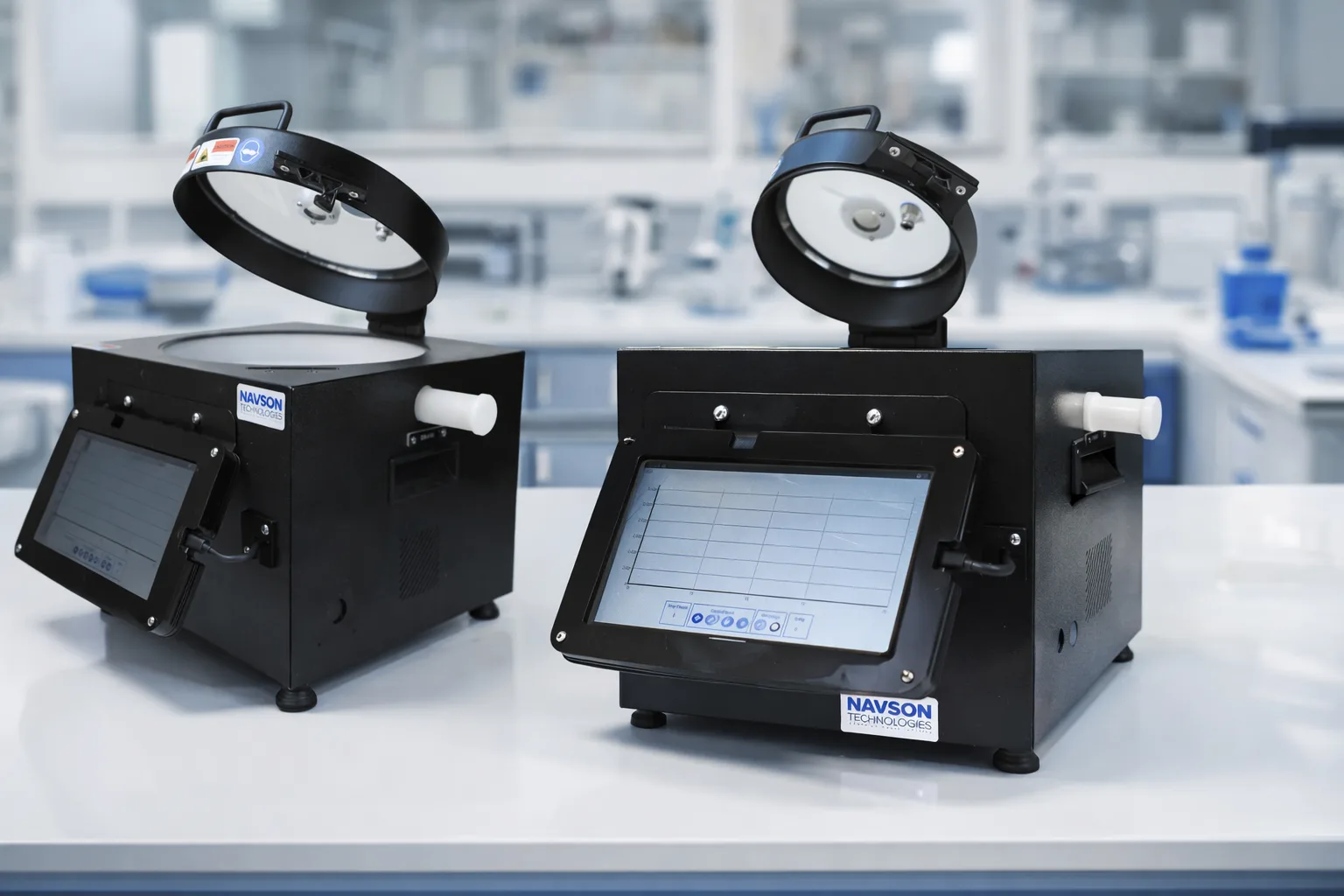
Get a free NT12000 Process-Fit & Configuration Review by Application Engineers at Navson Technologies
🏷️ Sponsored
Important Disclaimer
Scientific EQ. @PULSE offers general information and best practices related to scientific research. It is not intended as a substitute for professional training, specific equipment operation manuals, or a comprehensive understanding of the materials involved. Users bear sole responsibility for ensuring safe operation, appropriate material selection, and adherence to all relevant safety and environmental regulations.
Should you identify any discrepancies or have questions regarding the content of this guide, please contact us promptly at scientificeq@aidasinc.com. We are committed to rectifying any inaccuracies and will gladly acknowledge contributing sources.