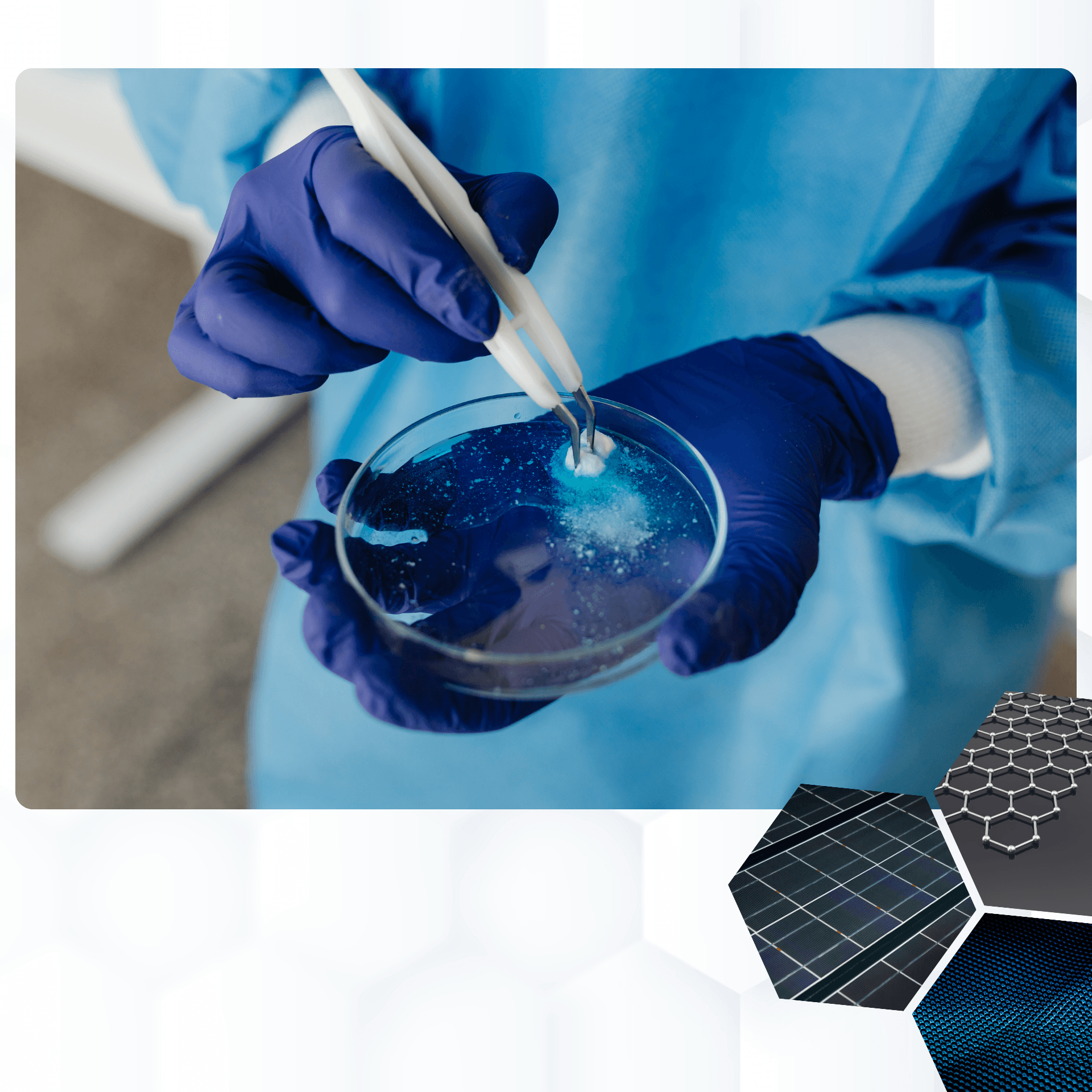

Hydrothermal Synthesis For Nanoparticle Fabrication
Nanoparticles (NPs) are increasingly being used in multiple sectors, including the energy, chemical, electronics, water, and medical fields. And there is increasing interest in the scalable manufacturing of NPs, with precise criteria, to render them viable for various uses. Here scientific laboratory equipment like spray pyrolysis instruments among other equipment is finding high demand.
Fabrication mechanisms for different types of nanoparticles, such as sol-gel, precipitation, spray pyrolysis, microemulsion, flame synthesis, thermal decomposition, and hydrothermal synthesis, have been illustrated in labs, but commercialized fabrication of NPs of numerous substances continues to be a challenge.
Hydrothermal Synthesis For Nanoparticle Fabrication
Hydrothermal synthesis is a method of synthesis of single crystals that depends on the solubility of minerals in hot water under high pressure. The crystal growth is performed in an apparatus consisting of a steel pressure vessel called an autoclave. It is one of the most commonly used methods for the preparation of nanomaterials. Wherein, the formation of nanomaterials can happen in a wide temperature range from room temperature to very high temperatures. And hydrothermal synthesis has gained popularity because it uses affordable substrates and mild processing conditions, while it gives more adjustability and control over particle characteristics. A recent proposal suggests a method of synthesizing CuO@MnO2 on nitrogen-doped multiwalled carbon nanotube composite electrodes for supercapacitor applications
Spray pyrolysis instruments Or Hydrothermal synthesis
Recently, electronic devices for storage applications comprising nanometer-scale materials with excellent capacitance and cyclic stability are being rapidly developed. And numerous methods for fabricating electrode materials for practical applications have been reported in various supercapacitors, battery, and fuel-cell studies. Supercapacitors and batteries have received considerable attention owing to their excellent life cycles and high-power density results. And here, nanotubes are being developed for use in fabricating nanostructured materials for a variety of energy devices, including supercapacitors, sensors, batteries, and electrocatalysts. For carbon-based electrode materials are an appropriate choice for supercapacitor applications due to their excellent specific capacitance and power density.
Here we know spray pyrolysis has proven to be a method to create carbon nanotubes on various surfaces. However, hydrothermal synthesis is being explored for the fabrication of nitrogen-doped multi-walled carbon nanotubes. MnO2 has emerged as a promising electrode material for supercapacitor applications due to its high theoretical specific capacitance, high electrochemical activity, and environmental friendliness. However, the low conductivity and unstable structure of MnO2 cause poor electrochemical cyclability. To address these limitations and improve the electrochemical behavior of supercapacitors, several studies have attempted to design nano-MnO2 structures. By incorporating CuO, which possesses a high specific surface area, is highly conductive, and environmentally friendly, the performance of the MnO2–CuO composite gets enhanced.
We hope the highly trained scientific community gets to identify the best materials for large-scale, and highly economical manufacturing of carbon-based nanomaterial electrodes. So it can help meet our growing energy needs in a sustainable and eco-friendly manner.
→ Doubt? Question?
Don’t guess. Send details. Get a fact-checked verdict from an Application Specialist. No sales pitch, no fluff.
🗨 Start a Chat→ Application Fit-Check
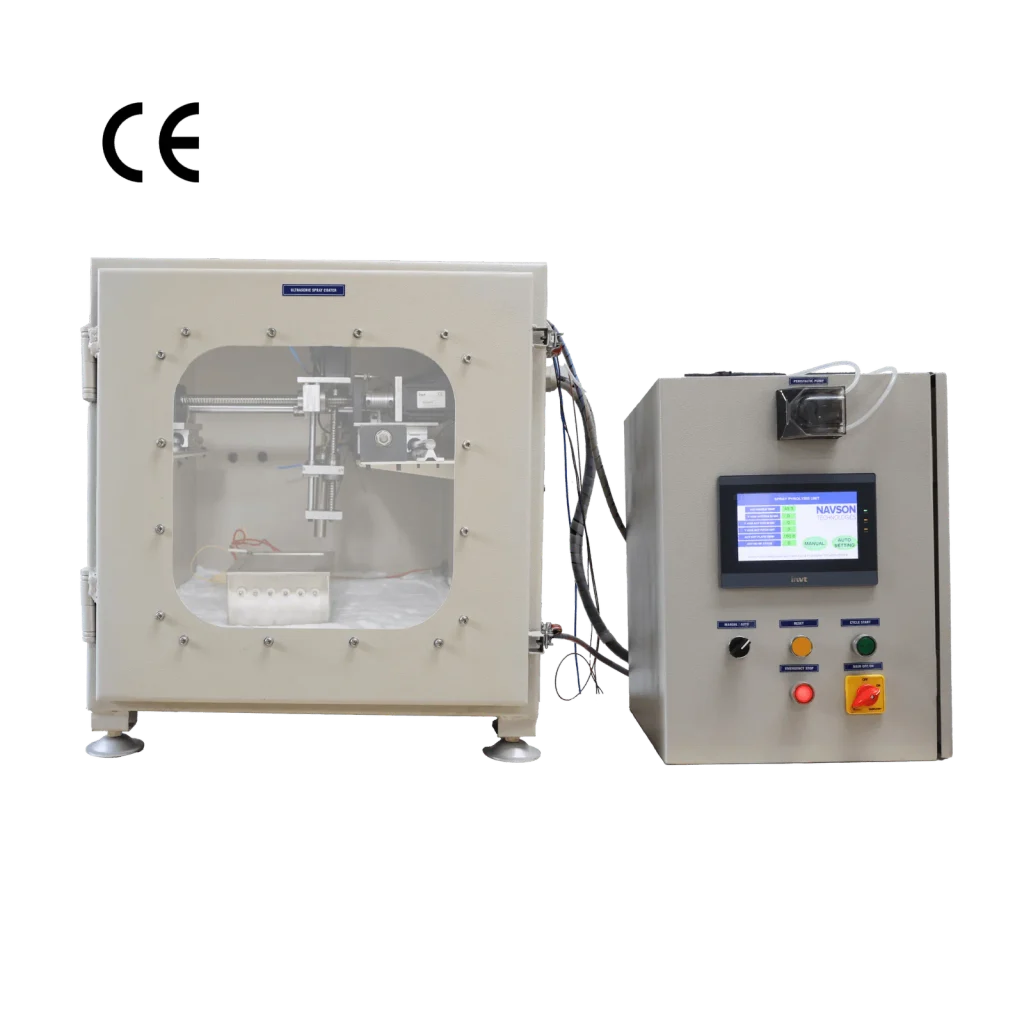
Get a free NTPY01 Research Spray Pyrolysis System, Process-Fit & Configuration Review by Application Engineers at Navson Technologies
🏷️ Sponsored
Important Disclaimer
Scientific EQ. @PULSE offers general information and best practices related to scientific research. It is not intended as a substitute for professional training, specific equipment operation manuals, or a comprehensive understanding of the materials involved. Users bear sole responsibility for ensuring safe operation, appropriate material selection, and adherence to all relevant safety and environmental regulations.
Should you identify any discrepancies or have questions regarding the content of this guide, please contact us promptly at scientificeq@aidasinc.com. We are committed to rectifying any inaccuracies and will gladly acknowledge contributing sources.